Busselton Home Prices / Living here
Things to do in Busselton, for a weekend or for good
Busselton is a holiday town that a lot of people end up living in. Here is what fills a weekend, and what fills a year, with the suburb behind each place and what homes there sell for.
By the Busselton Home Prices editor · Article updated 4 October 2026 · 9 min read
Quick answer
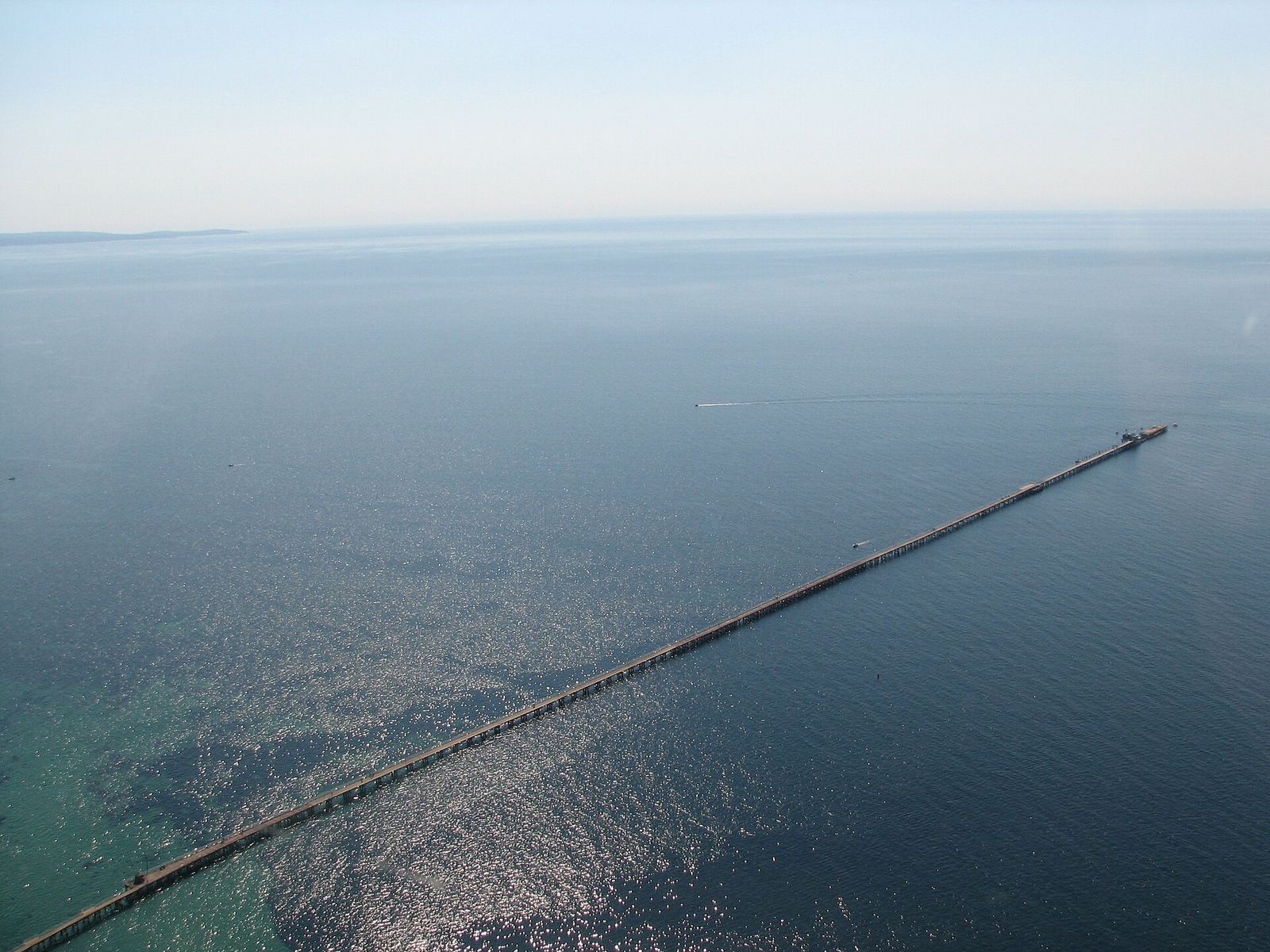
Walk or ride the train out along the 1.841 km Busselton Jetty and go down into its underwater observatory; swim off the calm, north-facing beaches of Geographe Bay; watch for whales in the bay from September to early December; and drive about 25 kilometres west to Dunsborough and Meelup's granite coves. The town centre behind the foreshore, where most of this starts, had a median house price of $990,000 in the 12 months to August 2026.
The jetty
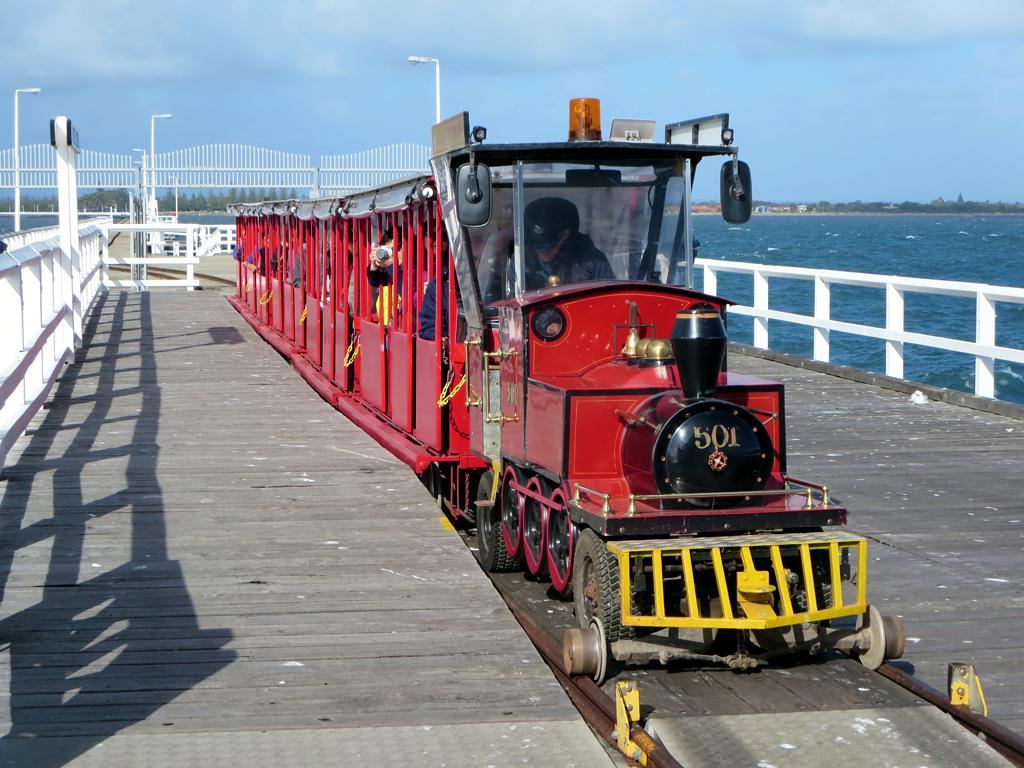
The Busselton Jetty runs 1.841 kilometres over Geographe Bay, the longest timber-piled jetty in the Southern Hemisphere. Building began in 1865 and it closed as a port in 1973; a $27 million refurbishment finished in 2011. You can walk it, or take the small train out to the end.
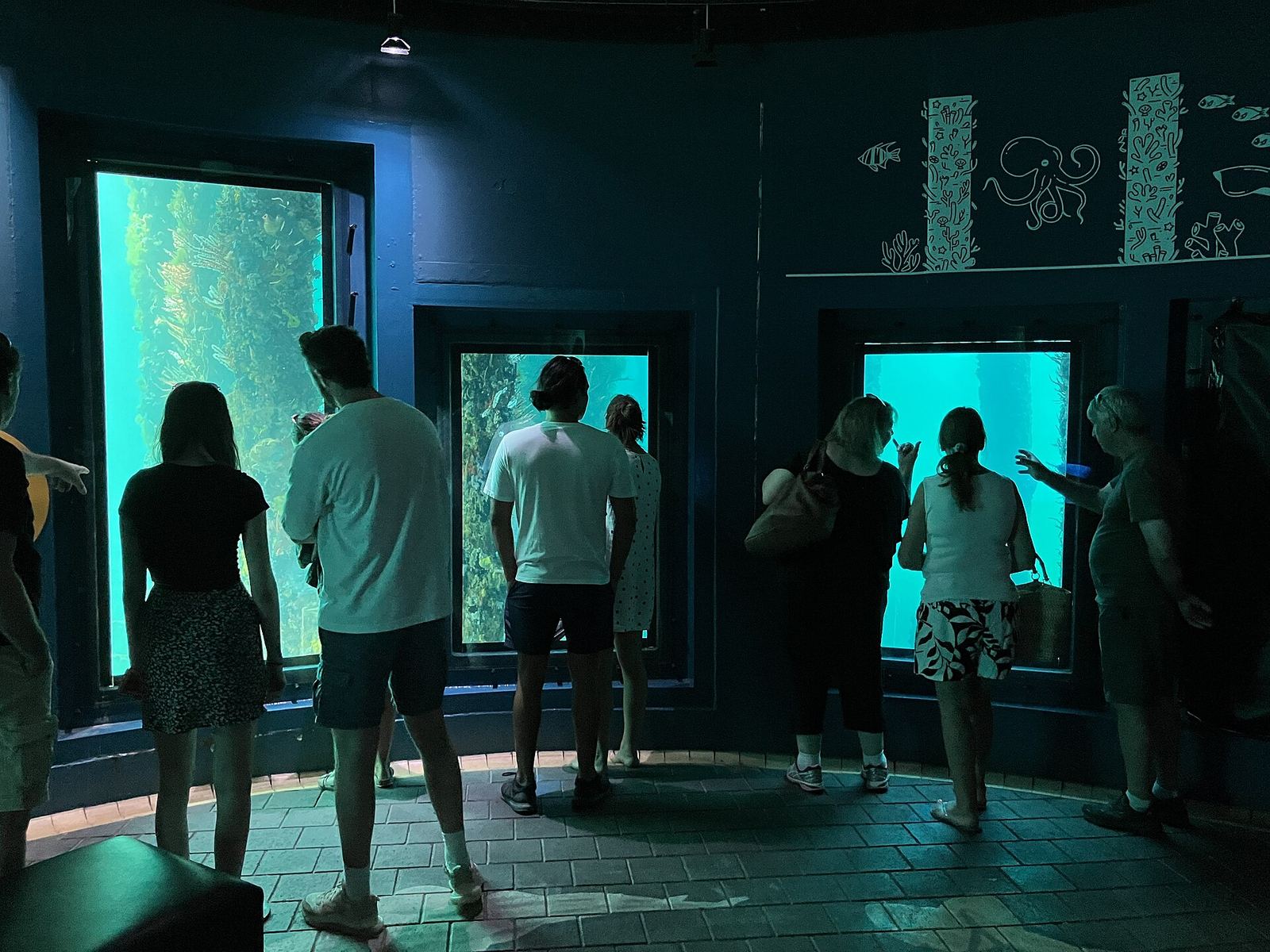
Near the end is the underwater observatory, one of six in the world according to the jetty's operator, where windows below the waterline look onto the marine life that has grown on the jetty's piles. Busselton Jetty Inc runs the train, the observatory, the Marine Discovery Centre and an underwater sculpture park, and asks visitors to book ahead in busy periods.
The foreshore
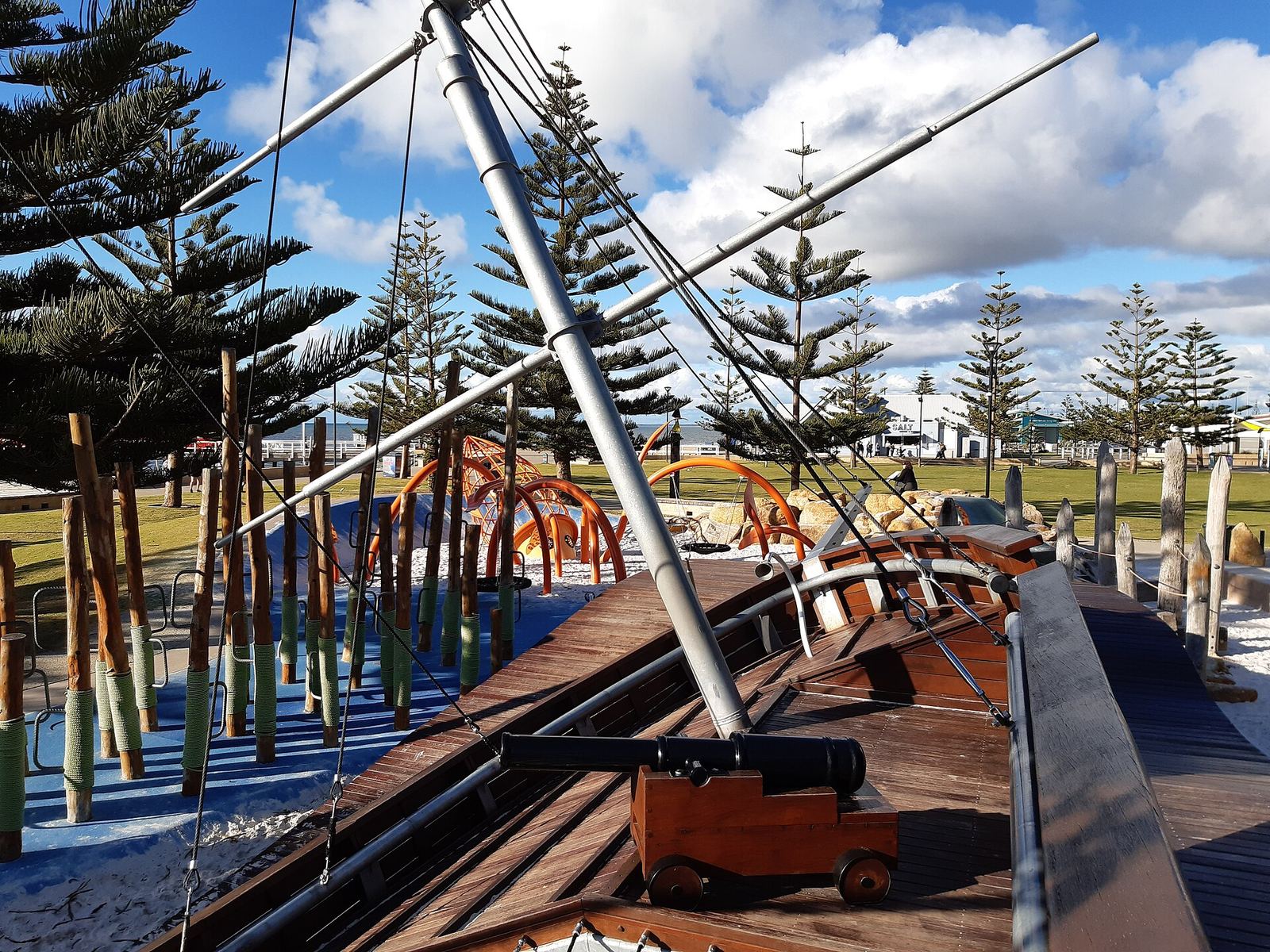
The jetty starts at the foreshore, rebuilt by the City over the past 15 years: the nautical Adventure Playspace, a skate park, promenades, cafés and the Interpretive Centre. It offers a waterfront base for a visit. More in our foreshore guide.
The beaches
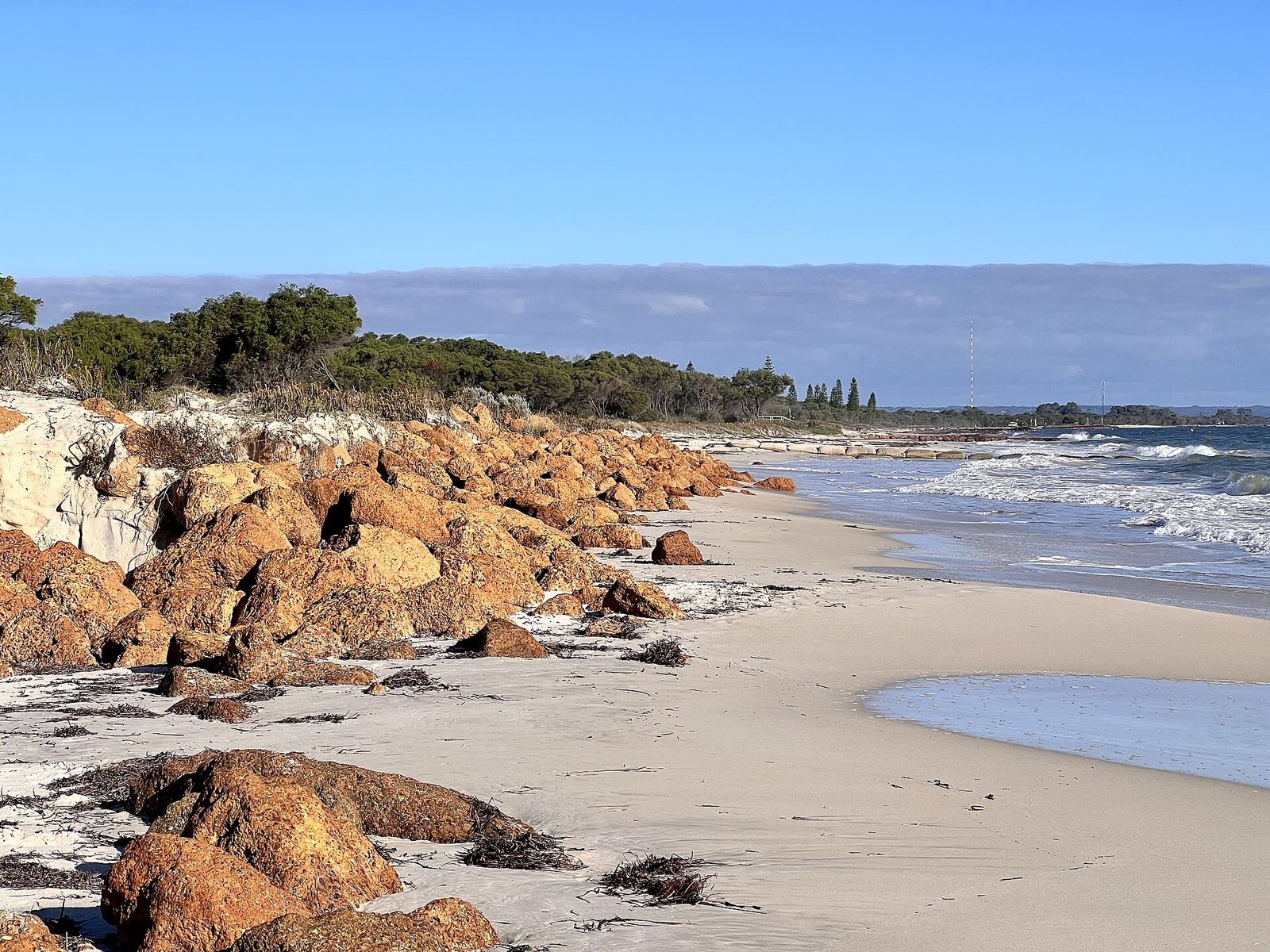
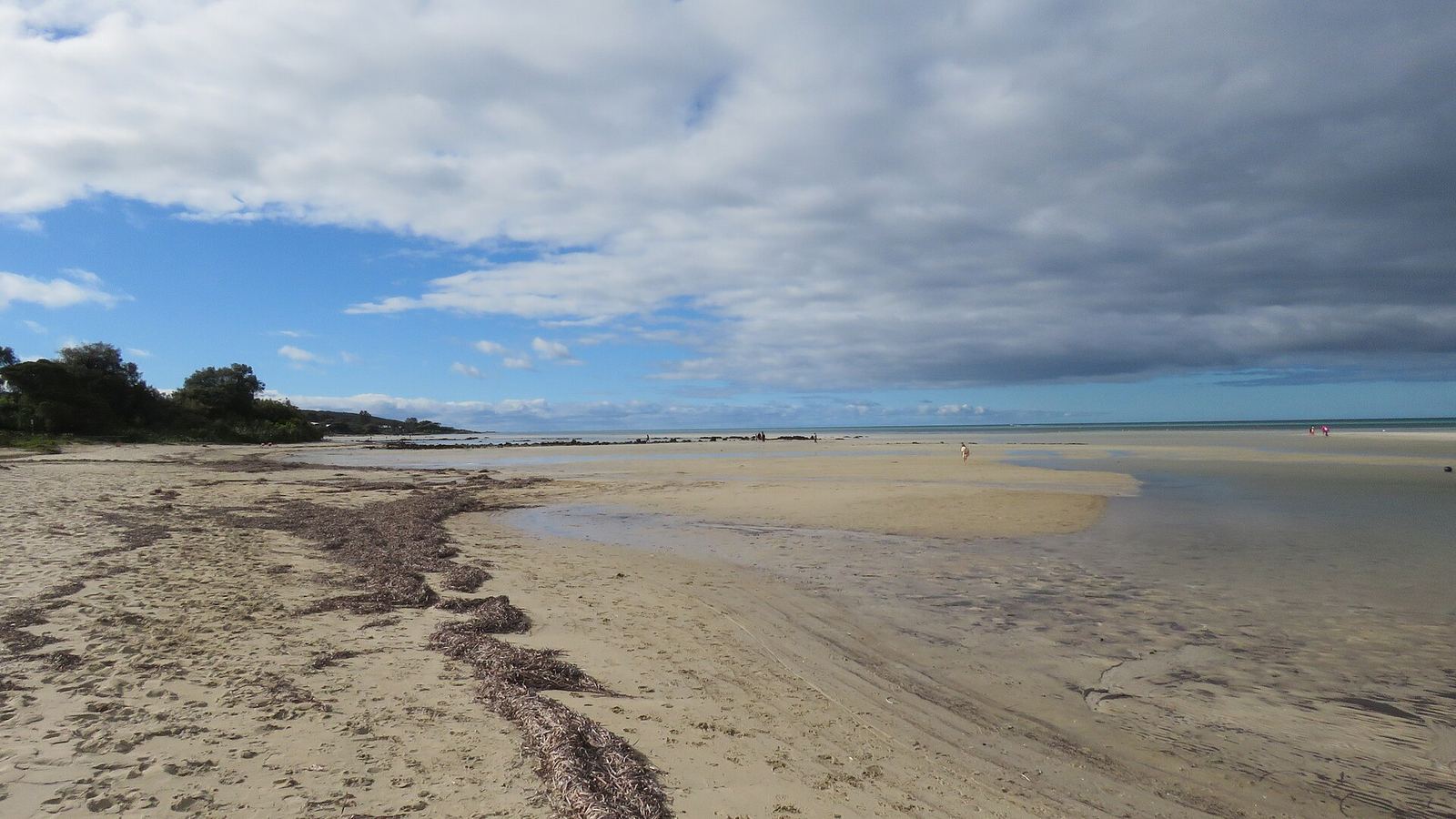
Geographe Bay faces north, so the water is calm most of the year, which is why families and older swimmers like it. From Broadwater to Abbey the beach runs almost unbroken in front of the homes. Our beaches guide goes west to east, with the suburb and the prices behind each one.
Whales, September to December
Humpback and southern right whales rest in Geographe Bay on their way south, and tours leave from Busselton and Dunsborough from the beginning of September to mid-December. On calm days you can sometimes see them from the jetty or from the lookouts on the Meelup coast.
Dunsborough and Meelup
About 25 kilometres west, Dunsborough is the smaller, pricier town at the western end of the bay. Meelup Regional Park beyond it has small granite-edged beaches and a coastal trail towards the Cape Naturaliste lighthouse. Dunsborough's median house price was $1,400,000; see our Dunsborough guide.
History you can walk into
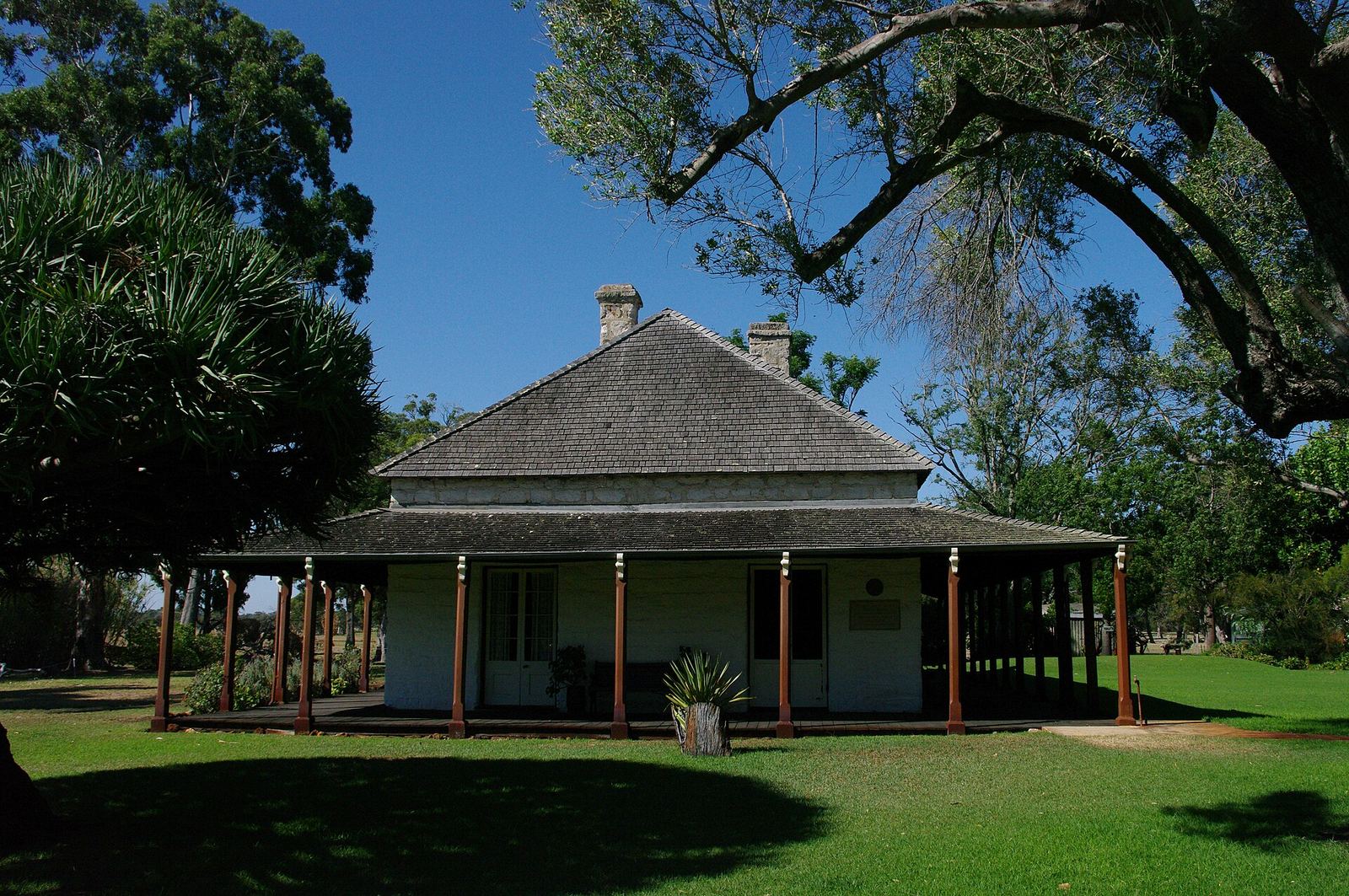
Wonnerup House, near the Wonnerup inlet east of town, is a mid-1800s homestead kept by the National Trust, with a schoolroom, teacher's house, blacksmith's shop and stables. It opens on Fridays and Saturdays from 9am to 2pm, not on public holidays.
The weather, month by month
Long-term averages at Busselton Airport, 1997 to 2026. Summers are warm and dry; about four-fifths of the year's rain falls from May to September.
| Month | Max | Min | Rain |
|---|---|---|---|
| Jan | 30.4° | 14.3° | 12 mm |
| Feb | 30.2° | 14.8° | 6 mm |
| Mar | 28.0° | 13.7° | 20 mm |
| Apr | 24.0° | 11.2° | 37 mm |
| May | 20.6° | 9.0° | 96 mm |
| Jun | 17.9° | 7.8° | 124 mm |
| Jul | 16.9° | 7.0° | 141 mm |
| Aug | 17.3° | 7.3° | 111 mm |
| Sep | 18.5° | 7.9° | 74 mm |
| Oct | 21.3° | 8.7° | 33 mm |
| Nov | 25.0° | 10.7° | 22 mm |
| Dec | 28.3° | 12.5° | 9 mm |
| Year | 23.2° | 10.4° | 671 mm |
If you are thinking of moving here
Most people who move to Busselton choose a suburb by what they want nearby: the town centre and foreshore, the quiet beach streets of Broadwater and Abbey, the new estates of Vasse and Yalyalup, or Dunsborough. Our suburb price map shows every suburb's median, and house prices explains what has moved them.
What is there to do in Busselton?
Walk or take the train along the 1.841 km jetty to its underwater observatory, swim at the calm Geographe Bay beaches, use the foreshore playground and promenade, watch whales from September to early December, visit Wonnerup House, and drive to Dunsborough and Meelup.
When is whale season in Busselton?
Whale-watching tours leave Busselton and Dunsborough from the beginning of September to mid-December, when humpback and southern right whales rest in Geographe Bay.
Is the water calm in Busselton?
Mostly, yes. Geographe Bay faces north and is sheltered from the Southern Ocean swell, so its beaches are calm much of the year.
A first visit without a long drive between every stop
For a first day, make the foreshore and jetty one cluster rather than separate journeys. Start with the activity that requires a booking, then arrange a waterfront walk, the playspace or a meal around it. This leaves room for a delayed arrival or a change in weather without turning the whole day into a race.
The jetty operator's observatory page says entry requires a tour booking. Its full observatory tour includes the return train and takes approximately one hour and 45 minutes. Confirm the session and meeting instructions for your booking; walking access to the jetty is not the same as admission to the observatory.
If the tour is full or conditions interrupt operations, keep the rest of the day flexible. A beach walk and the foreshore precinct can still be part of a visit when suitable, but they should not be described as a guaranteed substitute for a specific ticketed experience. Check current operator notices before setting off.
For an invented itinerary, a morning tour followed by a flexible lunch and short waterfront walk is a realistic structure to investigate. It is not a promise that a particular departure, restaurant table or parking space will be available. Book the time-sensitive part first and leave enough time for the actual route between activities.
A second day towards Dunsborough and Meelup
Dunsborough and the Meelup coast form a different outing from the Busselton town-centre cluster. Choose the walk or beach you want, identify the relevant access point and check the park's current visitor information. Do not assume that every cove offers the same facilities or the same route from parking to the water.
Meelup Regional Park's official website provides separate information on walking, accessible trails, bike trails, swimming and facilities. Use the section for your intended activity rather than treating a general park description as a route guide. A walking trail and a bike trail are not automatically interchangeable.
The park asks visitors to stay on designated trails, park in designated areas, avoid fires and leave pets at home; it also prohibits camping. Plan around those instructions before travelling with a dog or expecting to stay overnight. Check the detailed visitor rules for the particular place you intend to use.
A useful second-day plan leaves time to enjoy one chosen area rather than trying to photograph every beach. If the group has different walking abilities, establish the route and meeting point before separating. Carry the information you need for the return journey instead of relying on finding the same map online later.
A heritage visit to Wonnerup House
National Trust WA's current visitor page confirms Friday and Saturday opening, excluding public holidays, from 9am to 2pm. It says a ticket permits entry during those hours rather than requiring a specific session. Recheck before travelling because opening arrangements can change.
The visit includes historic buildings and grounds, with interpretation that addresses the place's wider history on Wadandi Country as well as the Layman family. Allow time to read the interpretation rather than treating the property simply as a backdrop for photographs. Follow the visitor instructions around heritage buildings and collections.
This is a different direction from Dunsborough and Meelup. Decide which outing suits the day rather than adding it to an already crowded western-coast plan. If accessibility or a group visit matters, confirm the arrangements directly with the Trust before buying tickets or setting out.
Free time, ticketed activities and a spending plan
Separate the cost of getting around from admission to an attraction. A public waterfront walk, a paid tour, a meal and accommodation are different budget items. Check the actual price and inclusions with each operator; a photograph of the jetty does not establish which activity a ticket covers.
For an invented budgeting method, create columns for the activity, people attending, quoted total, booking conditions and what is included. If one person does not want to join a paid tour, establish a suitable alternative and meeting point. That makes the plan clearer than quoting a single per-person figure without explaining the group or inclusions.
Check cancellation and weather arrangements before paying. Keep the booking confirmation and operator contact details available. This site does not take bookings, sell tickets or hold spaces, so an activity described here must still be confirmed through its operator.
Travelling with children or different access needs
Choose the day around the people making the trip. Check the actual distance from arrival point to activity, opportunities to rest, toilet locations and the return journey. The person who finds a route easy on a map may not have the same requirements as a child, a wheelchair user or someone avoiding stairs.
The observatory operator describes stairs and a lift, and publishes accessibility information. Confirm your specific requirements and current operation directly before booking. The presence of a lift in a description does not guarantee every visitor's entire journey is suitable.
For a mixed group, identify the fixed commitment and the flexible parts. Agree where everyone will meet if some people finish early or choose a shorter walk. A clear meeting plan is often more useful than adding another attraction to the list.
Rain, wind and the limits of a monthly average
The climate table helps compare seasons, not predict an individual day. A month with a low average rainfall can still include a wet visit. Use a current forecast and local notices when deciding whether a swim, walk or tour suits the conditions.
Avoid assuming that an attraction described as indoors will operate regardless of weather. The jetty operator notes that operations depend on weather, wind and ocean conditions. Check the activity itself and its travel route before selecting it as a wet-weather plan.
Leave some time unallocated. A flexible meal, a shorter walk when conditions allow or a later visit to an attraction can work better than a schedule with no recovery time. The aim is a usable plan for the actual day, with the local places above as choices rather than a checklist that everyone must complete.
Meelup is a conservation reserve as well as a beach outing
The park's official description identifies a reserve of about 577 hectares along 11.5 kilometres of coastline from Dunsborough to Bunker Bay. That is a substantial area, not one beach with a single entrance. Select a destination and route before leaving rather than expecting to see the whole park in a short stop.
The official site identifies the Wadandi people as the area's Aboriginal custodians and explains the park's conservation and recreation purpose. Use designated routes and visitor facilities, and leave natural material where it is. A coastal outing should fit those requirements rather than treating bushland behind a photograph as unrestricted access.
Sources
- Busselton Jetty Inc, home page (1.841 km; observatory; train; opening hours)
- City of Busselton, Busselton Jetty (history, 2011 refurbishment)
- Margaret River Busselton Tourism Association, whale migration in Geographe Bay
- National Trust WA, Wonnerup House (open Friday and Saturday, 9am to 2pm)
- Meelup Regional Park
- Bureau of Meteorology, Busselton Aero climate averages 1997 to 2026
- REIWA suburb profiles (Landgate/REIWA data, 12 months to August 2026), read 3 October 2026